22 Jun 2026
App Navigation Patterns Guiding Bonus Retrieval for Mobile Slot Users Across Britain
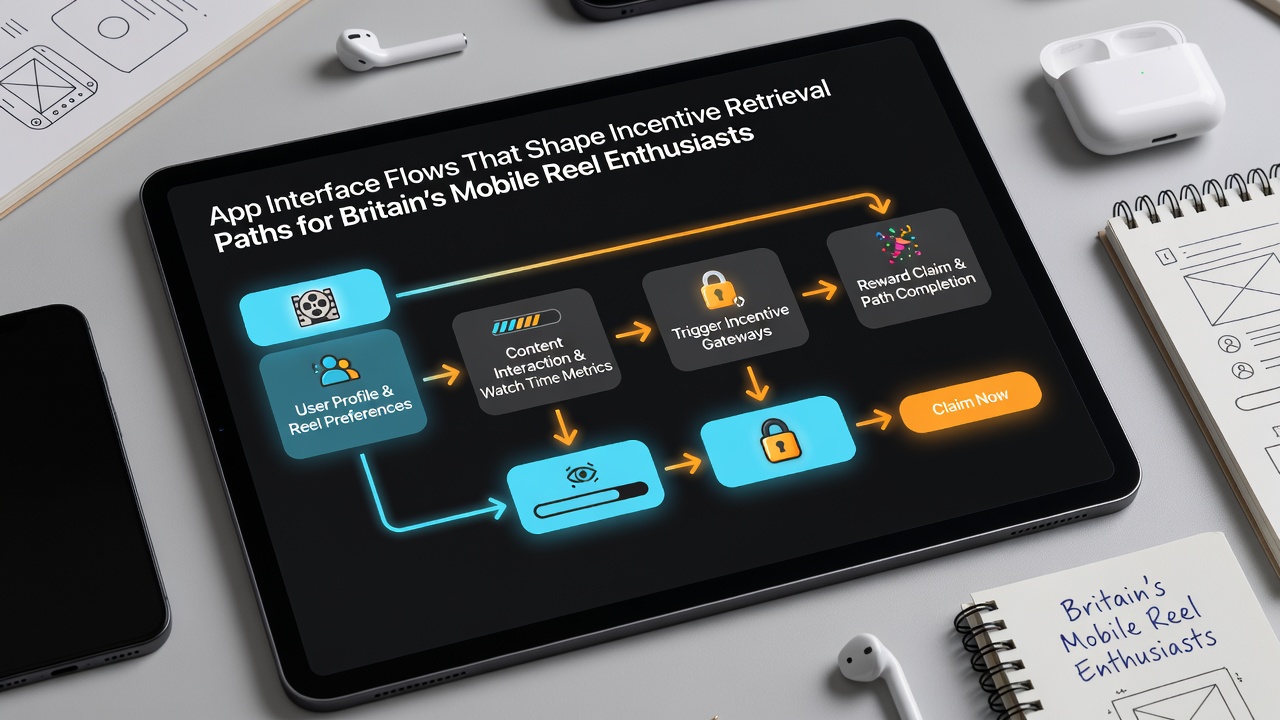
Britain's mobile slot enthusiasts interact with applications through structured interface sequences that direct them toward incentive collection points, and these flows typically begin at the launch screen where users encounter prominent reward indicators positioned alongside game thumbnails. Developers arrange notification banners at the top of home pages to highlight available spins or deposit-matched credits, which encourages immediate taps that transition users into dedicated claim sections without requiring multiple menu layers.
Core Interface Components Shaping Retrieval Routes
Observers note that bottom navigation bars serve as primary gateways in many platforms, with a rewards icon often placed between lobby and account tabs to reduce steps needed for access, while swipe gestures on promotional carousels reveal layered offers that users can select to initiate verification sequences. Progress trackers appear as horizontal bars or circular indicators within profile views, displaying completion metrics for tasks that unlock further incentives, and these elements connect directly to pop-up modals when thresholds are met.
Push notification systems route enthusiasts straight into app sections upon activation, bypassing initial menus entirely, yet in-app message centers consolidate multiple offers into sortable lists that users filter by expiration dates or value tiers. Research from the Responsible Gambling Council shows how such consolidated views streamline decision-making during peak evening hours when participation rates climb.
Sequential Paths from Discovery to Claim
Users commonly follow a three-stage progression starting with visual alerts on the main dashboard, moving through eligibility checks that require simple confirmations, and ending at redemption screens where balances update in real time after processing. One study revealed that placement of claim buttons within the lower third of screens correlates with higher completion rates because thumb reach aligns naturally during one-handed operation on standard devices.
Account Integration and Verification Layers
Account-linked profiles store prior activity data that pre-populates forms during retrieval, reducing input fields to essential confirmations only, while security prompts such as biometric scans interrupt flows briefly yet maintain continuity by returning users to the exact claim stage afterward. June 2026 saw several platforms introduce adaptive interfaces that adjust prompt frequency based on individual session history, which shortened average retrieval times according to aggregated usage metrics.
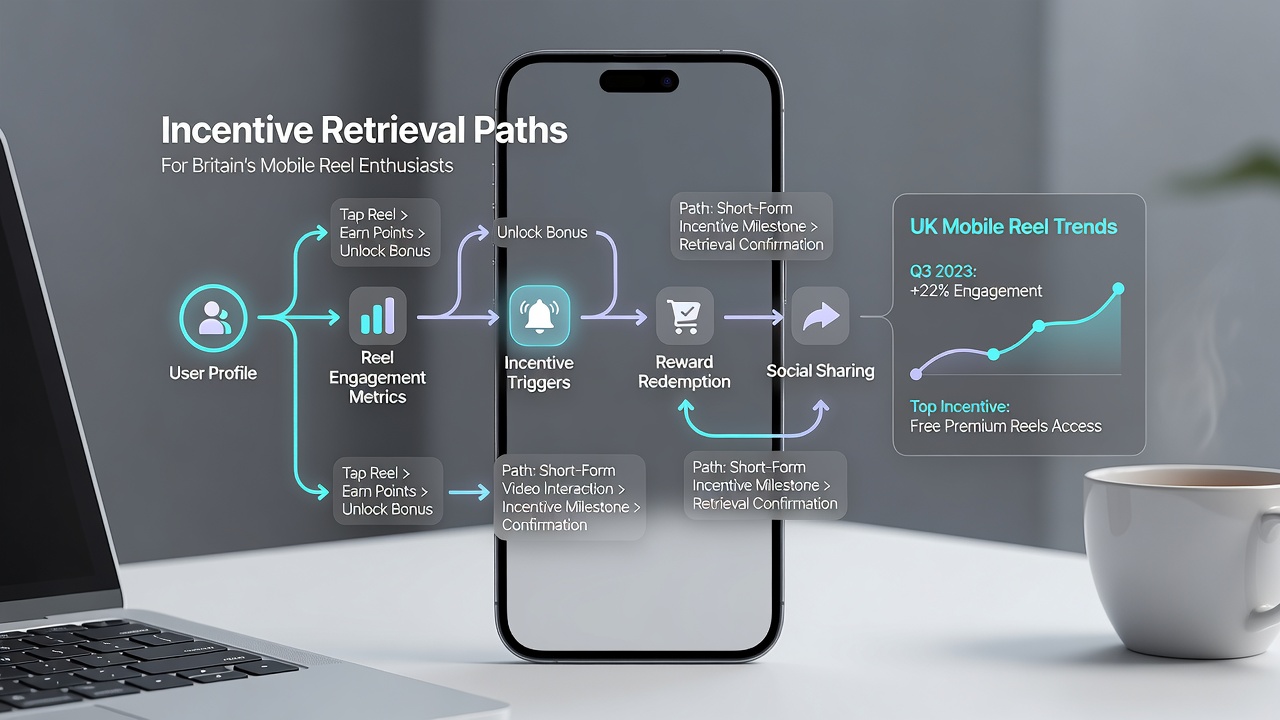
External payment integrations embed directly into these paths through expandable panels that appear after initial reward selections, allowing seamless transitions from incentive review to funding actions when required for certain tiers. Data indicates that platforms incorporating saved payment methods experience fewer abandoned retrieval attempts because friction points decrease substantially at checkout stages.
Regional Adaptations in Design Elements
Design teams tailor color contrasts and icon styles to align with British user preferences observed in testing sessions, incorporating muted palettes alongside vibrant accent highlights on active reward items, and font sizing adjusts automatically based on device settings to ensure readability across varied screen dimensions. Those who've examined analytics note that A/B tested layouts favoring larger touch targets improve accuracy during rapid navigation sequences common in commuting scenarios.
What's significant is the role of search functionality within rewards hubs, where keyword inputs surface specific offers amid broader catalogs, guiding enthusiasts along personalized routes rather than exhaustive scrolling. Academic papers from institutions like the University of Sydney's gambling studies group highlight how predictive search suggestions based on past interactions further refine these retrieval experiences.
Emerging Trends Observed Mid-2026
By June 2026 updates included voice command options for hands-free progression through initial stages of incentive paths, complementing traditional touch inputs during multitasking situations, while augmented overlays provided contextual guidance on eligibility criteria without leaving the primary app view. Industry reports from the European Gaming and Betting Association document gradual adoption rates of these features among leading operators serving UK markets.
Turnout metrics reveal sustained engagement levels with these refined flows, as session durations extend modestly when interfaces present clear visual feedback after each completed action. Observers note that integration of loyalty progression visuals alongside immediate claims encourages repeated visits without explicit prompts.
Conclusion
Interface flows in British mobile slot applications continue evolving to connect discovery points with efficient retrieval mechanisms through strategic element placement and adaptive prompts, supported by data from regulatory bodies and academic sources beyond UK borders. These patterns reflect ongoing refinements that prioritize streamlined user movement while maintaining necessary verification steps at key junctures.