19 Aug 2026
Charting Incentive Progression in Slot Ecosystems from Basic Offers to Elite Privileges
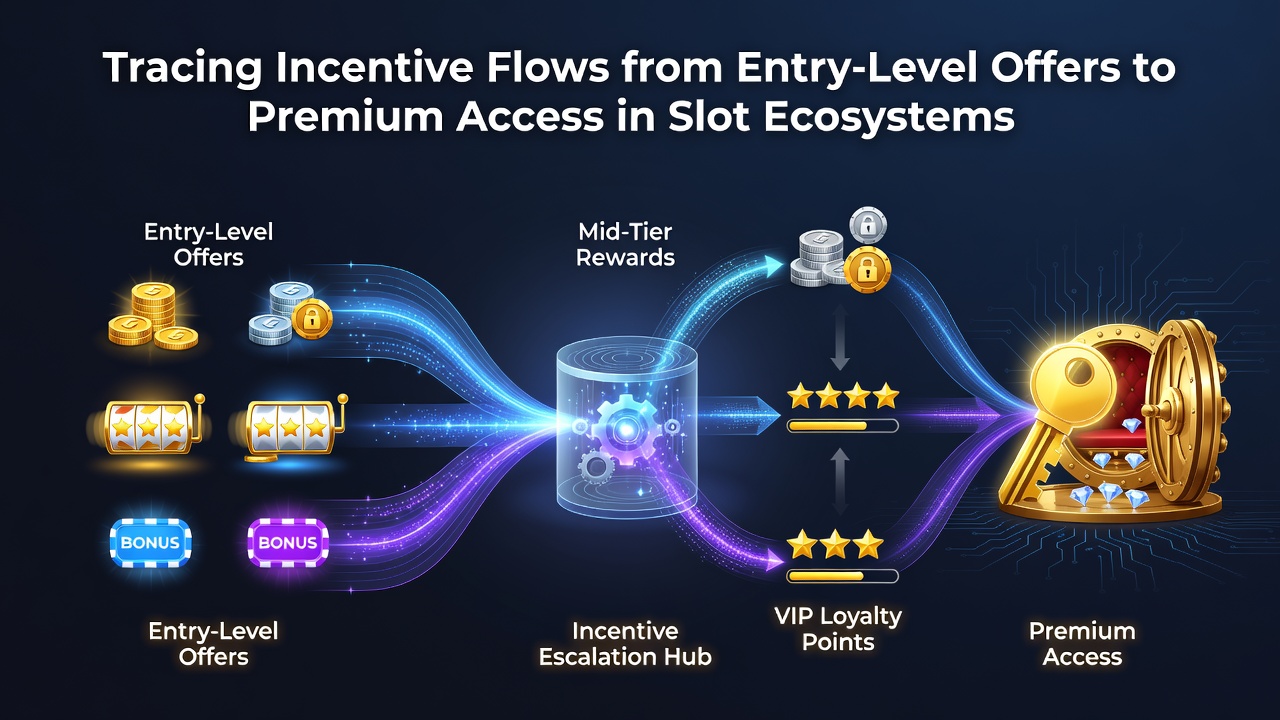
Slot ecosystems operate through structured incentive pathways that begin with accessible entry points and extend toward exclusive premium layers, with data from multiple jurisdictions showing consistent patterns in how operators design these flows to retain participants over extended periods. Researchers tracking player behavior across platforms note that entry-level offers typically include no-deposit spins or small match bonuses, which introduce new accounts to core mechanics while collecting initial engagement metrics that later inform tailored reward escalations.
Entry-Level Offer Structures
Operators deploy initial incentives such as free spin packages and low-value deposit matches to lower barriers for first-time participants, and these offers often tie directly to simple account verification steps that unlock basic play without requiring substantial upfront commitments. Data from the Nevada Gaming Control Board indicates participation rates in such starter programs climbed steadily through mid-2026, with August 2026 reports highlighting how mobile integrations accelerated sign-up volumes by streamlining verification and bonus claim processes. Those who've examined platform algorithms observe that these early rewards generate behavioral data points on spin frequency and session length, which systems then use to segment users for subsequent incentive layers.
What's interesting is how entry offers rarely stand alone, since operators embed them within loyalty frameworks that automatically track activity from the first interaction onward, creating seamless transitions into mid-tier rewards once players meet modest thresholds like total wagered amounts or login streaks. Industry reports from the American Gaming Association detail how these early stages prioritize volume over individual prize size, building habits that support longer-term retention across diverse demographic groups.
Intermediate Reward Mechanisms
Once entry-level activity establishes a player profile, systems shift focus toward layered deposit incentives and cashback structures that scale with continued participation, while conditional bonuses activate based on metrics such as weekly spin counts or deposit consistency. Observers note that these intermediate stages frequently incorporate multiplier effects on winnings or extended free spin sequences, and the mechanics encourage gradual increases in engagement without abrupt jumps that might deter regular users. Studies from the University of Nevada Las Vegas gaming research division reveal that platforms adjust these rewards dynamically, using real-time analytics to align offers with individual play patterns observed during the initial weeks.

But here's the thing about these mid-level flows: they often integrate payment method preferences as triggers, since certain deposit types unlock accelerated progression rates that shorten the timeline to higher tiers. Participants who maintain steady activity through these phases encounter personalized offers that reflect aggregated performance data, turning routine play into structured advancement opportunities.
Pathways to Premium Access Tiers
Premium access emerges after sustained progression through documented thresholds, granting participants features like dedicated account managers, higher withdrawal limits, and exclusive event invitations, and these tiers rest on cumulative metrics compiled from all prior incentive stages. Figures from the European Gaming and Betting Association show that operators in multiple markets refined tier criteria during 2026 to emphasize long-term value over short bursts of activity, with August 2026 updates emphasizing compliance tracking within these elite structures. Those studying incentive ecosystems point out that premium rewards frequently include invitations to closed tournaments or accelerated loyalty point conversions, which reinforce the value of prior engagement levels.
Systems maintain transparency around progression requirements through in-app dashboards that display current standing and remaining milestones, allowing players to map their own advancement without external guidance. Data indicates that once users reach these upper levels, retention metrics improve markedly because the accumulated benefits create compounding incentives that discourage platform switching.
Conclusion
Tracing these incentive flows reveals interconnected systems where early offers feed directly into advanced privileges through measurable activity thresholds and data-driven adjustments, and operators across regions continue refining these pathways to balance acquisition costs with sustained participation. Evidence from regulatory filings and academic analyses confirms that such structures remain central to slot ecosystem operations, with ongoing refinements adapting to technological shifts and participant behaviors observed through 2026.