24 Jun 2026
Decoding Payment Pathways That Fuel Incentive Layers in Mobile Reel Games
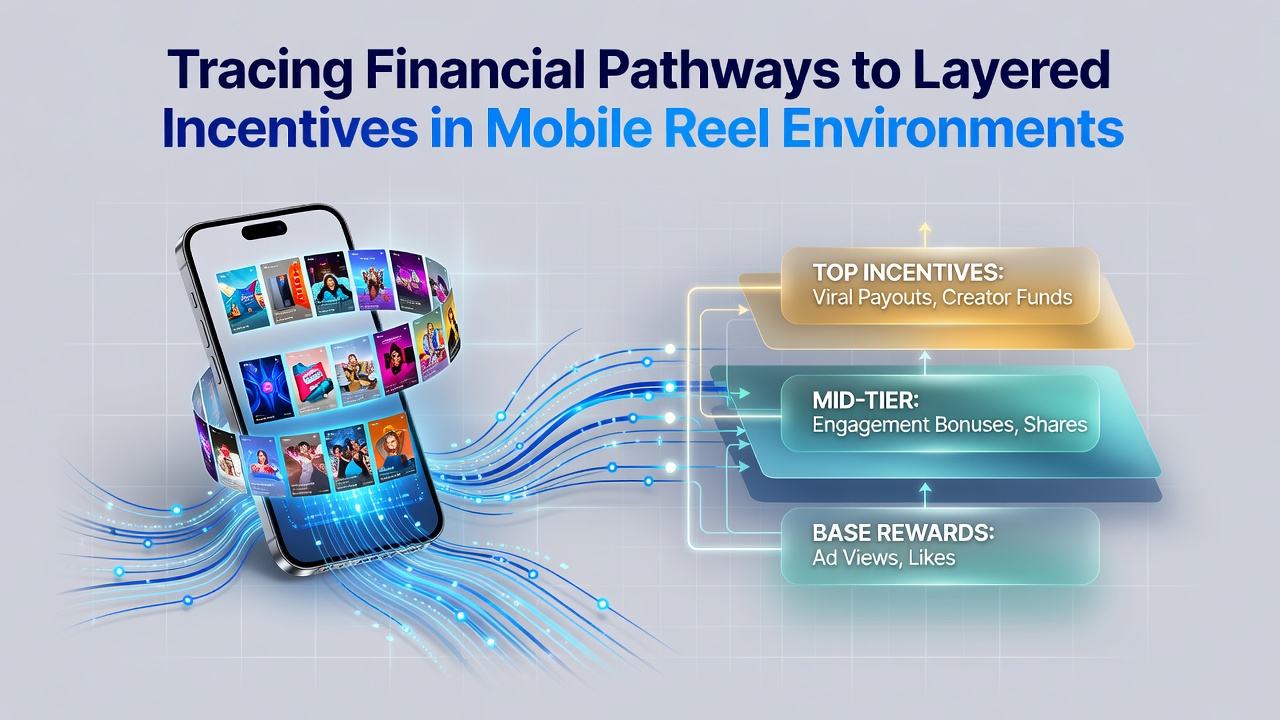
Payment systems in mobile reel environments operate through sequenced channels that connect deposits and withdrawals directly to escalating reward tiers, and researchers tracking these routes note how initial transactions often activate entry-level incentives before opening access to mid-tier multipliers and loyalty escalations. Data from industry monitoring groups shows that e-wallet integrations and bank transfers create traceable sequences where each completed action feeds into automated systems that adjust bonus availability based on volume and frequency patterns.
Core Transaction Mechanisms in Mobile Platforms
Observers note that mobile slot applications route funds through standardized gateways including digital wallets, card processors, and instant banking options, while these pathways embed tracking codes that link every deposit to specific incentive triggers. Studies from academic institutions such as those affiliated with the University of Nevada Reno Gaming Research Center indicate that transaction timestamps and amounts determine eligibility for successive layers, with smaller initial deposits frequently unlocking spin packages that scale when follow-up activity meets predefined thresholds.
Entry-Level Incentive Activation
Once a payment clears the verification stage, systems assign users to baseline reward categories that include free spin allocations and cashback percentages, and these assignments rely on algorithmic evaluations of payment method reliability plus user history data. Figures reveal that June 2026 saw expanded adoption of instant verification protocols across North American operators, which shortened the gap between fund transfer and incentive release from hours to minutes in many cases.
Progressive Layering Through Continued Activity
Users who sustain transaction flows encounter automated upgrades that stack additional benefits onto existing accounts, whereas single large transfers sometimes bypass early tiers and grant direct entry to elevated reward brackets according to platform rules. Research indicates that these layered structures incorporate multiplier effects where accumulated spend influences the rate at which new incentives appear, creating pathways that reward consistent engagement over isolated actions.
One analysis of platform data highlighted how VIP progression systems pull information from payment histories to assign status levels, with each tier unlocking distinct features such as enhanced withdrawal speeds and exclusive event access. Experts observe that operators program these escalations to activate only after cumulative transaction values reach operator-defined milestones, ensuring financial activity remains the primary driver.
Regional Variations in Pathway Design
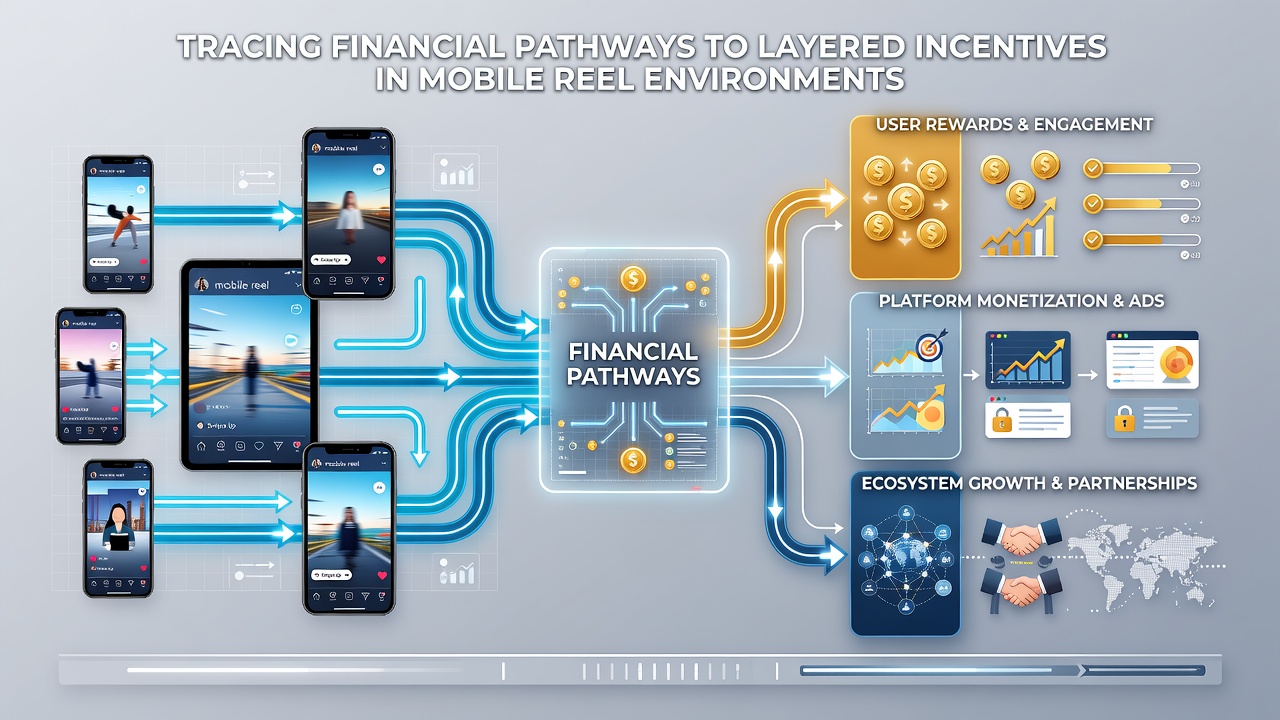
Regulatory frameworks in different jurisdictions shape how financial routes connect to incentives, and data collected by the Australian Communications and Media Authority shows that mobile operators there maintain stricter separation between deposit processing and bonus crediting compared with some European markets. In Canada, provincial licensing bodies require transparent disclosure of how transaction volumes translate into tiered perks, which has led to standardized reporting formats that make pathway tracing more accessible for analysts.
Payment choice also influences layer accessibility because certain methods carry built-in compatibility bonuses that accelerate progression, while others follow standard sequences without additional multipliers. Industry reports from the European Gaming and Betting Association document cases where operators tested hybrid models combining cryptocurrency transfers with traditional gateways, resulting in faster tier advancement for users selecting those options during June 2026 trials.
Tracking and Compliance Elements
Systems log every financial movement to maintain compliance records, and these logs feed directly into incentive calculation engines that determine when users qualify for the next reward stratum. Observers note that real-time dashboards available to account holders display current pathway status, showing completed transactions alongside pending milestones required for subsequent layers.
Academic papers examining mobile gaming ecosystems emphasize the role of encrypted identifiers attached to each payment, which prevent duplication while allowing seamless mapping across multiple sessions. Such identifiers enable platforms to reconstruct full financial histories quickly when users request status reviews or when regulatory audits occur.
Conclusion
Financial pathways in mobile reel environments function as structured sequences that translate transaction data into progressively available incentives, and evidence from multiple regulatory and research sources confirms that payment volume, timing, and method selection serve as primary controls for layer access. Continued monitoring of these systems in regions outside the UK reveals ongoing refinements to verification speeds and tier criteria, particularly around the developments noted in June 2026. Those who study these mechanisms find consistent patterns where initial deposits establish baseline eligibility before sustained activity unlocks higher strata of rewards across diverse operator platforms.