27 Jul 2026
Financial Channel Influences on Bonus Spins and Loyalty Tier Upgrades Across Digital Gambling Sites
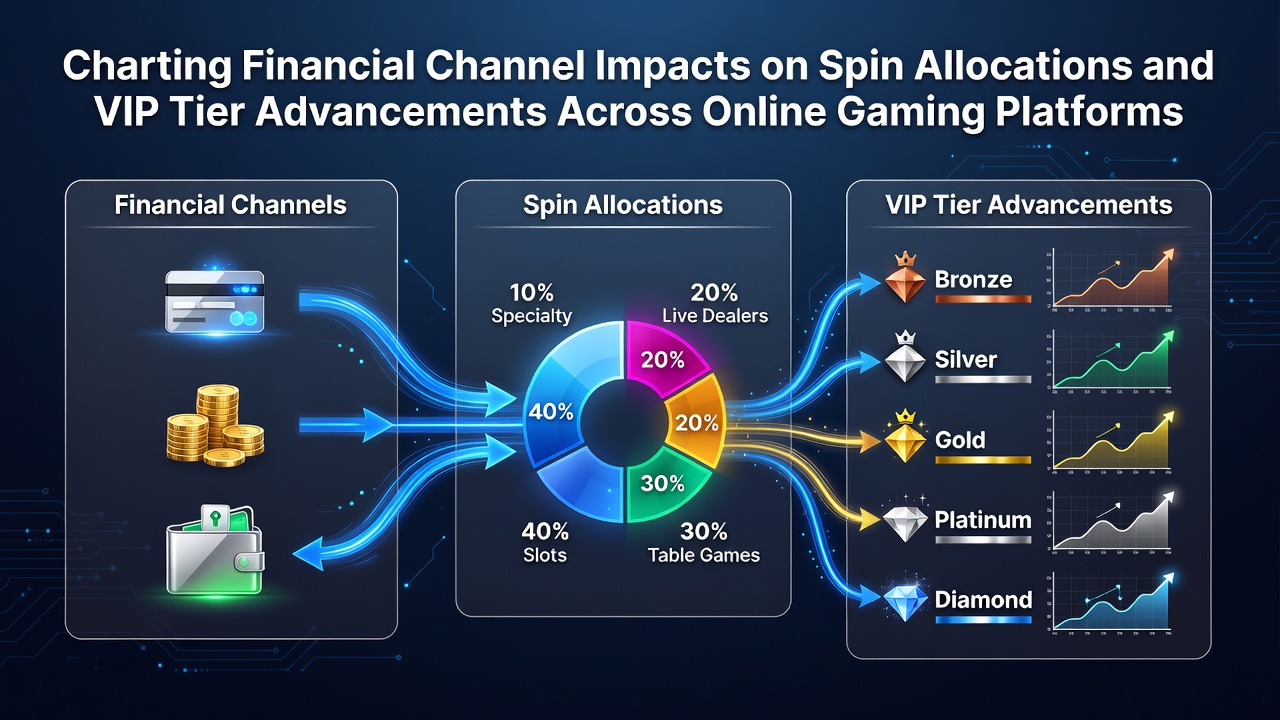
Payment methods shape how online gaming platforms distribute spin allocations and advance players through VIP tiers, with credit cards, e-wallets, bank transfers, and cryptocurrencies each producing distinct processing speeds and eligibility rules that determine bonus access. Platforms track deposit volumes and frequencies through these channels to assign free spins or loyalty points, while regulatory data from various regions highlights measurable differences in allocation patterns.
Payment Processing Speeds and Spin Distribution Patterns
E-wallet transactions complete in seconds and allow immediate spin allocations on many platforms, whereas credit card deposits often require additional verification steps that delay bonus activation by hours or days. Bank transfers follow longer settlement periods, sometimes stretching to several business days, which restricts players from accessing time-sensitive spin offers tied to deposit windows. Cryptocurrency channels operate on blockchain confirmations that range from minutes to an hour depending on network congestion, creating intermediate timing effects that platforms factor into their allocation algorithms.
Data from the New Jersey Division of Gaming Enforcement shows platforms using faster channels record higher volumes of spin redemptions within the first 24 hours after deposit. Those same reports indicate slower channels correlate with reduced spin uptake rates, although total deposit amounts remain comparable across methods when adjusted for player volume.
VIP Tier Advancement Through Channel-Specific Metrics
Platforms calculate VIP progress using weighted metrics that include deposit frequency, average transaction size, and channel type. E-wallet and cryptocurrency deposits frequently receive higher point multipliers because they reduce processing costs and fraud risks for operators. Credit card transactions carry elevated fees in some jurisdictions, leading platforms to apply lower point rates to those deposits when advancing players through bronze, silver, gold, and platinum tiers.
Observers tracking industry reports note that players routing funds through e-wallets reach mid-tier status 15 to 20 percent faster on average than those using traditional bank wires, according to aggregated figures released in mid-2026. This acceleration stems from automated point crediting systems that platforms integrate directly with e-wallet APIs, eliminating manual review delays.
Regional Regulatory Frameworks and Channel Preferences
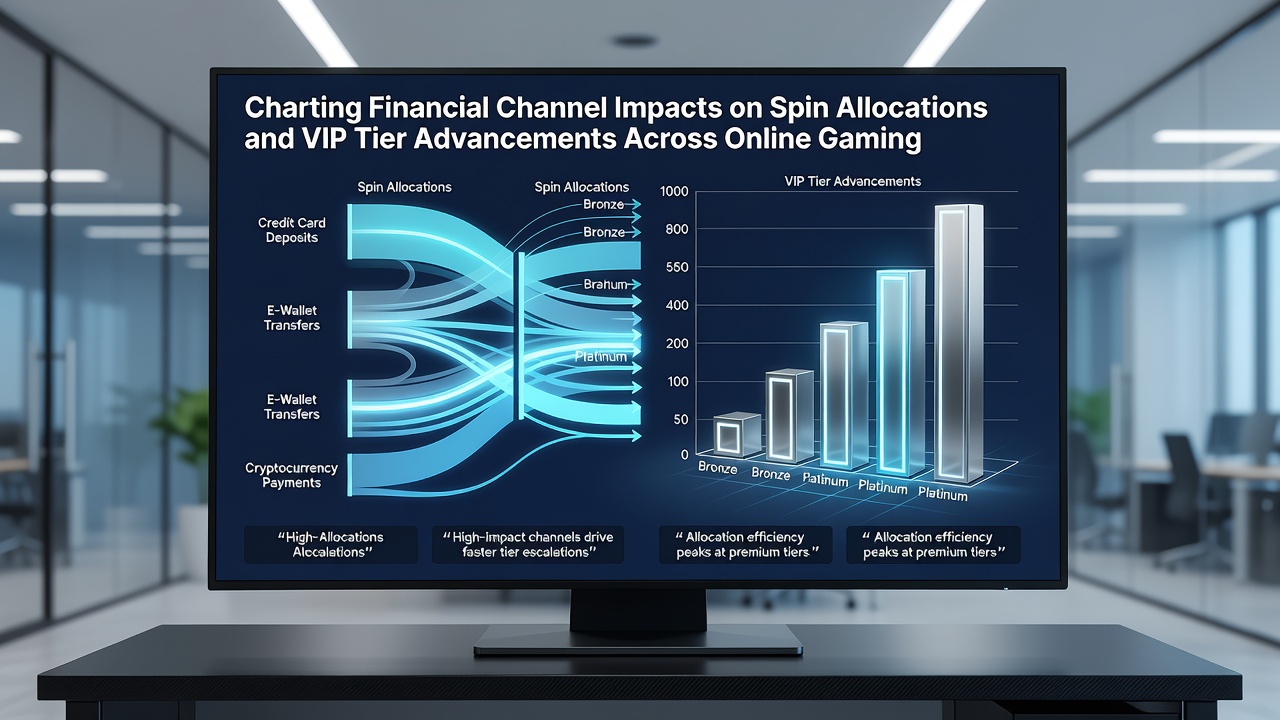
Regulators in different markets impose varying rules on acceptable payment channels that indirectly affect bonus structures. The Alcohol and Gaming Commission of Ontario requires platforms to maintain clear records of deposit methods when awarding loyalty benefits, resulting in transparent point allocation tables that players can review. In contrast, the Australian Communications and Media Authority focuses on consumer protection disclosures that highlight how certain channels trigger faster VIP escalations due to reduced chargeback exposure.
July 2026 data compilations from multiple oversight bodies revealed that platforms operating under these frameworks adjusted their spin allocation formulas to favor low-risk channels, with e-wallets capturing the largest share of bonus-eligible deposits in tracked markets. These adjustments produced measurable shifts in player behavior, as participants migrated toward channels offering quicker tier progression without altering their overall spending levels.
Platform Algorithms and Channel Weighting Systems
Many operators embed channel-specific coefficients into their backend systems that determine both spin quantities and VIP point accrual rates. A deposit processed through a verified e-wallet might generate 1.5 times the standard loyalty points compared with a credit card deposit of identical size. Cryptocurrency deposits sometimes receive variable multipliers tied to volatility indexes, which platforms recalculate weekly to balance risk exposure against player retention goals.
Take one major platform that published its weighting matrix in a 2026 transparency report: bank transfers earned baseline points, credit cards earned 80 percent of baseline, while select cryptocurrencies earned up to 120 percent. Players who monitored these tables adjusted their funding strategies accordingly, producing observable changes in channel distribution across the operator's user base.
Cross-Platform Comparisons and Emerging Trends
Comparative analyses conducted by independent research groups, including studies referenced by the European Gaming and Betting Association, demonstrate consistent patterns across operators. Platforms that prioritize e-wallet integrations report elevated VIP retention rates, while those relying heavily on credit card processing experience slower tier movement and higher churn at intermediate levels. These trends hold after controlling for average deposit size and session frequency.
Additional findings from academic papers on digital payment ecosystems indicate that blockchain-based channels introduce new variables around confirmation times and fee structures that platforms must balance against spin allocation budgets. Operators respond by creating hybrid rules that combine instant provisional credits with final confirmation requirements, allowing players to begin spinning while the system verifies the transaction in the background.
Conclusion
Financial channels exert measurable influence on spin allocations and VIP tier advancements through differences in processing speed, cost structures, and regulatory treatment. Platforms continue refining their algorithms to optimize these variables, and data released through 2026 illustrates ongoing adjustments across multiple jurisdictions. Players and operators alike monitor these dynamics as channel preferences evolve alongside technological and regulatory developments.