8 Aug 2026
Funding Choices and Multi-Stage Rewards in Mobile Slot Applications
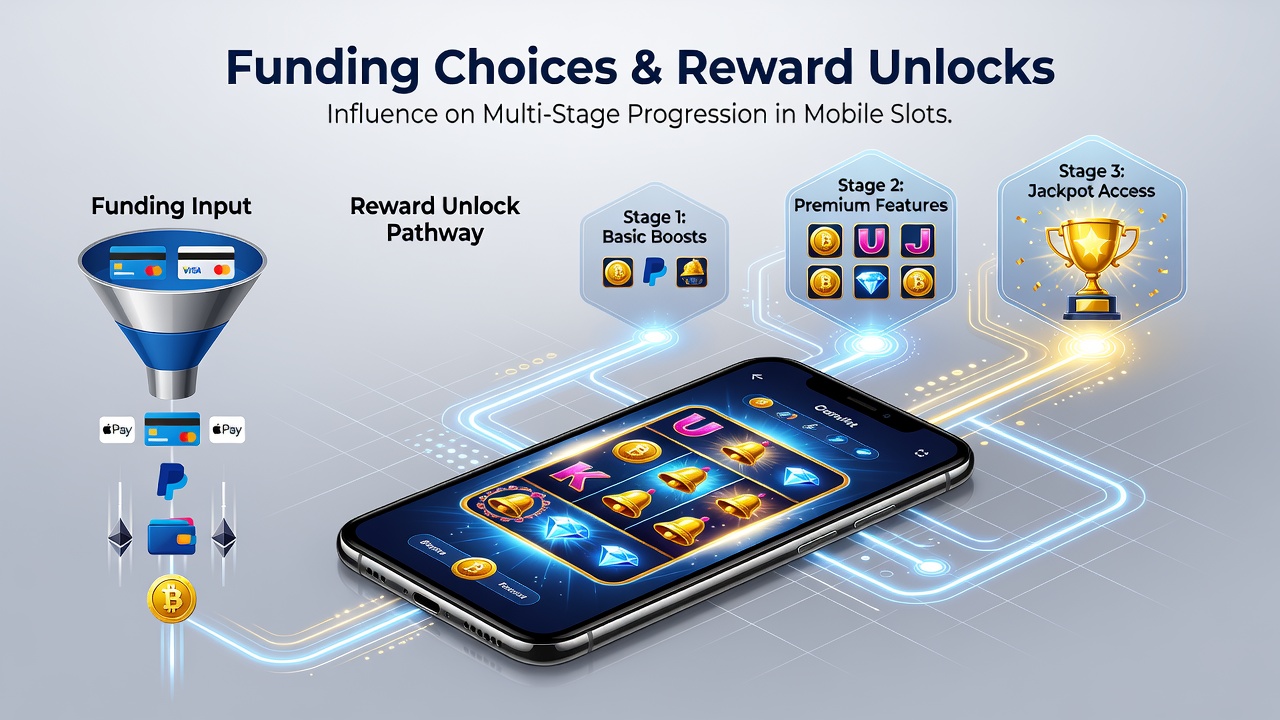
Smartphone slot applications structure rewards across multiple stages, and funding choices determine how players progress through these layers according to platform mechanics documented across various operators. Different payment methods activate distinct unlock sequences because systems track transaction types, amounts, and frequencies to assign tier access. Observers note that credit card deposits often trigger immediate entry to early reward phases while e-wallet transfers may align with accelerated progression in subsequent stages.
Mechanics of Multi-Stage Reward Systems
Multi-stage rewards operate through predefined thresholds where each level requires specific funding activity before additional features become available, and developers program these thresholds based on user engagement data collected from millions of sessions. Researchers have observed that initial stages typically unlock free spins or bonus credits after a minimum deposit registers in the account, whereas later stages demand cumulative spending or repeated transactions within set timeframes. Data from industry reports shows that platforms adjust these thresholds seasonally, with changes appearing in response to regulatory updates in multiple jurisdictions.
Payment Method Categories and Their Effects
Smartphone slot applications accept several funding categories including direct bank transfers, digital wallets, prepaid cards, and carrier billing, and each category interacts differently with reward algorithms. Bank transfers frequently support higher deposit limits that satisfy conditions for mid-tier unlocks faster than smaller prepaid options, yet wallet transactions often process with lower fees that preserve more funds for continued play and subsequent stage qualification. Studies from academic institutions indicate that transaction speed influences perceived progression because instant approvals allow players to meet time-sensitive requirements for bonus multipliers.
Progression Through Early and Intermediate Tiers
Early tiers commonly activate upon the first verified deposit regardless of method, but intermediate tiers incorporate variables such as payment frequency adn total volume processed within a calendar month. Those who study these systems find that users selecting recurring card payments reach intermediate rewards more consistently than one-time transfers because platforms log subscription patterns as indicators of sustained engagement. In August 2026 several operators updated their algorithms to recognize cryptocurrency funding as equivalent to traditional methods for tier calculation, expanding access for users in regions where digital currencies see wider adoption.
Advanced Tier Requirements and Funding Correlations
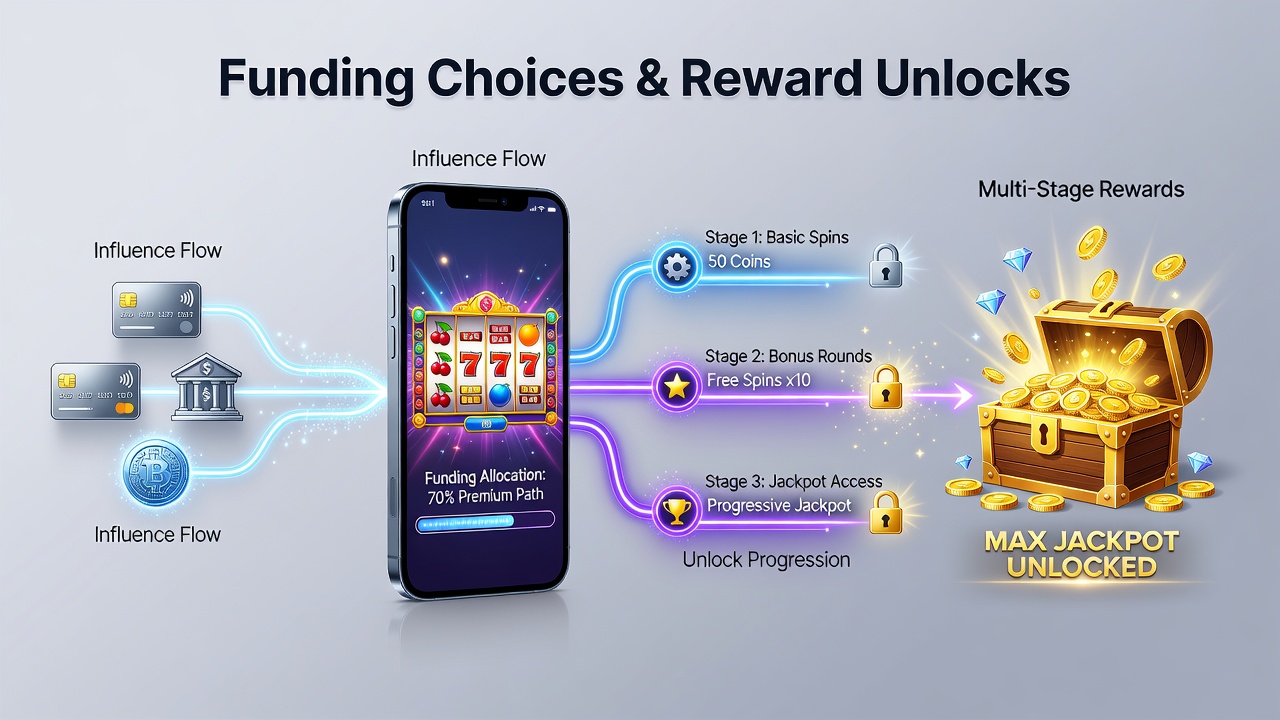
Advanced tiers impose stricter criteria that combine deposit size with activity metrics, and funding choices directly affect whether players meet these combined thresholds. Larger single transactions via bank wire often fulfill volume requirements for elite stages in one step, while users relying on smaller wallet top-ups must complete multiple actions to accumulate equivalent totals. Reports from gaming research organizations reveal that platforms apply weighted multipliers to certain payment types during promotional periods, granting additional progress toward final unlocks when users choose designated methods.
Regional Variations and Regulatory Influences
Operators in different markets apply distinct rules shaped by local oversight bodies, and funding choices must comply with those regional standards before rewards unlock. The Nevada Gaming Control Board publishes guidelines on transaction transparency that affect how mobile platforms calculate tier eligibility, while similar frameworks from the Malta Gaming Authority emphasize player verification steps tied to payment source. Users notice that cross-border applications sometimes restrict certain funding methods for advanced stages to maintain compliance across jurisdictions.
Conclusion
Funding selections shape reward progression in smartphone slot applications by aligning transaction characteristics with programmed unlock conditions, and data from multiple regulatory and academic sources confirms these interactions remain consistent across platforms. Players who examine payment options against tier requirements can identify paths that match their deposit habits to desired reward stages. Industry tracking continues to document how method availability and algorithm adjustments evolve in response to broader market and regulatory shifts.