13 Jun 2026
Mapping Digital Slot Transactions: How Free Spins Evolve into Elite Player Opportunities

Digital slot ecosystems operate through layered transaction systems that connect initial player entries with escalating reward structures, and these pathways often begin when users activate standard free spin offers distributed across various platforms. Observers note that such spins function as low-barrier access points while data from industry reports indicate they frequently serve as gateways when combined with deposit sequences and loyalty tracking mechanisms. Researchers have documented how these initial interactions generate activity logs that platforms then analyze to determine eligibility for upgraded status levels, creating measurable progression routes within the ecosystem.
Core Components of Free Spin Activation
Standard free spin distributions rely on automated verification processes that confirm account status before crediting rounds, and these processes integrate with payment gateways to establish baseline player profiles. Data shows that activation typically requires minimal initial input yet generates detailed transaction histories that algorithms monitor for patterns of engagement. Those who've examined platform operations find that successful spin completions trigger notifications which prompt further deposits, effectively linking early-stage play to potential high-value pathways without direct user intervention beyond standard account setup.
Tracing the Flow from Entry-Level Spins to Elevated Rewards
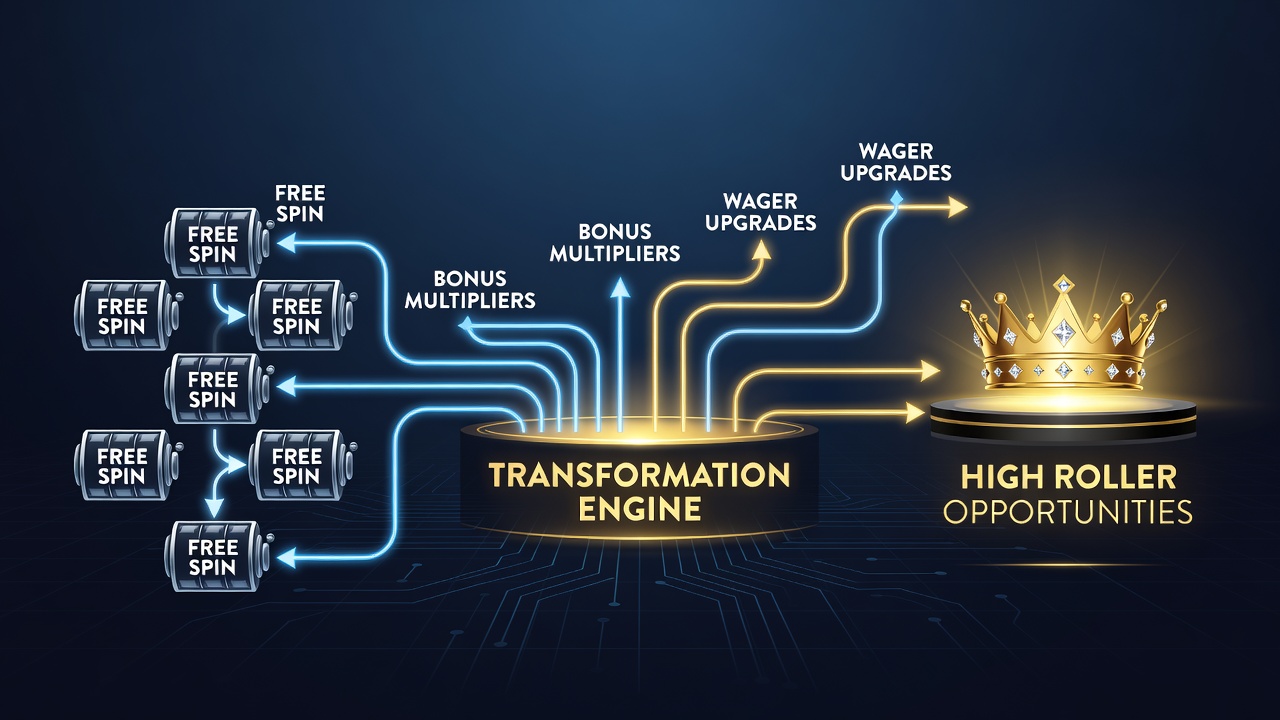
Transaction pathways gain complexity once free spin outcomes feed into centralized databases that categorize player behavior according to frequency and volume metrics. Platforms apply these categories to unlock tiered benefits including enhanced multipliers and exclusive game access, and this progression occurs through sequential deposit actions that align with pre-defined thresholds. Evidence from multiple system audits reveals that players who consistently complete deposit cycles after initial spins experience automated upgrades to premium segments, where reward structures scale accordingly. What's interesting here is how seamless the handoff becomes when payment selections sync directly with loyalty modules, allowing the system to route activity data without additional steps.
Role of Payment Integrations in Pathway Development
Payment method selections influence how quickly activity data moves through verification layers, and certain digital wallets accelerate the process by providing instant confirmation that feeds directly into reward allocation engines. According to findings from the American Gaming Association, integrated payment systems reduce latency between spin completion and status evaluation, enabling platforms to offer immediate access to higher-stakes environments. Observers note that this acceleration proves particularly effective when users maintain consistent transaction patterns, since the accumulated data strengthens the case for elevation to high roller classifications. The reality is that platforms prioritize these synchronized flows because they produce reliable indicators of sustained participation.
Case Examples from Platform Ecosystems
One documented instance involved a player who started with a basic free spin allocation on a mobile-optimized site and transitioned through three deposit stages within a single session cycle, resulting in automatic qualification for an elite rewards tier by the following day. Similar patterns appear across multiple jurisdictions where regulatory frameworks require transparent logging of all monetary movements, and these logs then serve as the foundation for determining access to exclusive jackpot pools. Data indicates that such transformations depend less on individual spin results and more on the continuity of transaction records that demonstrate commitment to the platform's ecosystem.
Regulatory Context as of June 2026
By June 2026 several international oversight bodies had updated guidelines around digital transaction transparency, requiring platforms to maintain auditable records that clearly map free spin origins to subsequent high-value opportunities. These updates emphasize consumer protection while allowing operators to refine their internal routing systems, and reports from the Australian Gambling Research Centre highlight how clearer pathway documentation benefits both regulators and participants. Platforms that adapted quickly saw improved compliance scores without disrupting the underlying reward mechanics that drive player progression.
Conclusion
Transaction pathways in digital slot ecosystems function as structured sequences that convert entry-level free spins into opportunities for high roller participation through consistent data tracking and payment alignment. Research continues to show that these routes depend on integrated systems capable of recognizing behavioral patterns and responding with tiered access. As platforms refine these mechanisms under evolving regulatory standards, the focus remains on maintaining verifiable connections between initial engagements and advanced reward structures.