6 Jun 2026
Payment Method Dynamics and Multi-Level Incentive Frameworks in British Mobile Slots
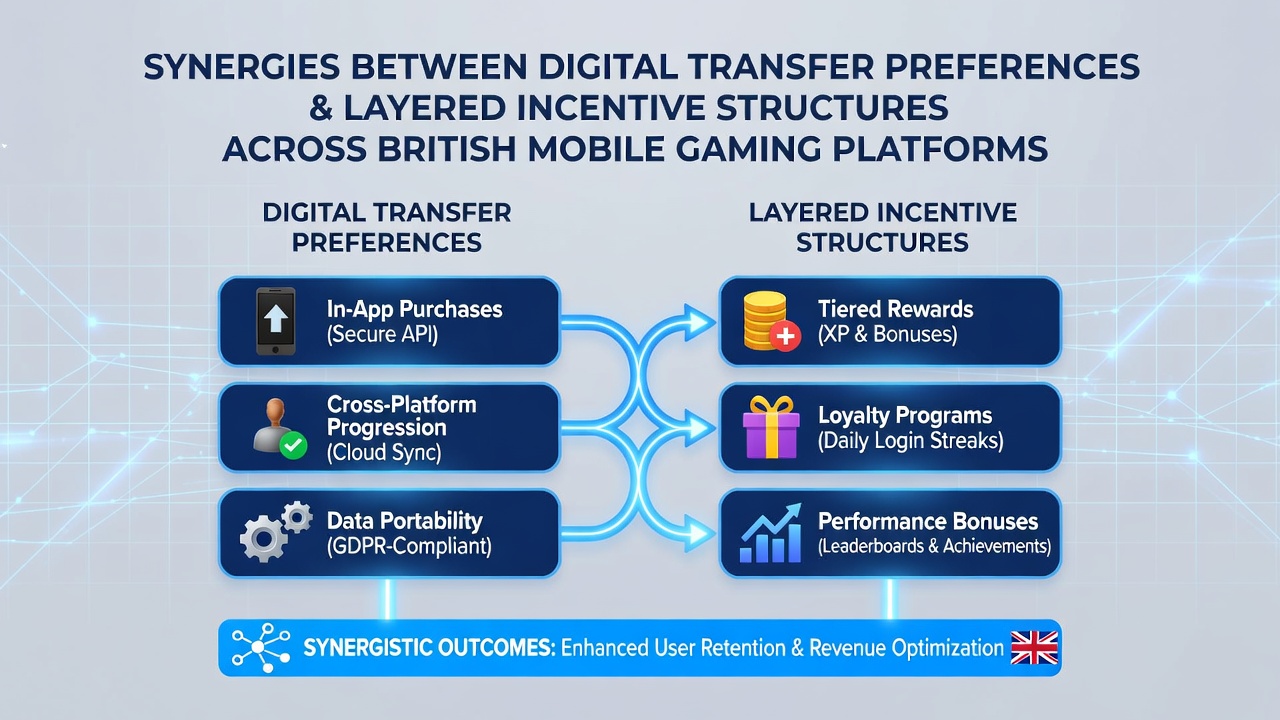
British mobile gaming platforms continue to demonstrate clear connections between preferred digital transfer methods and the structure of player incentives, with data from mid-2026 indicating sustained growth in these alignments. Observers note that e-wallets, instant bank transfers, and mobile payment applications often trigger access to progressive reward layers that range from initial free spin allocations to advanced VIP status escalations, and these patterns hold across multiple operator sites operating under UK regulatory oversight.
Digital Transfer Preferences Among Mobile Users
Recent figures reveal that a majority of British players select e-wallet services for deposits and withdrawals because these options reduce processing times compared with traditional bank wires, while mobile-optimised apps allow seamless integration with gaming sessions on handheld devices. Research indicates that platforms record higher engagement rates when payment selections align directly with bonus activation protocols, creating pathways where instant confirmation of funds leads automatically to layered offers such as deposit matches followed by cashback tiers and loyalty point multipliers.
Those who have examined transaction logs across several operators find that users favouring digital wallets encounter fewer barriers when advancing through incentive stages, since verification steps occur faster and enable quicker progression to higher reward brackets. Data shows this preference pattern strengthened further around June 2026 as additional platforms introduced API connections between payment processors and reward engines, allowing real-time updates to player accounts that reflect both transfer activity and accumulated incentives.
Layered Incentive Structures and Their Components
Multi-tiered reward systems on these platforms typically begin with entry-level offers that require minimal or no initial deposits, then expand into deposit-linked bonuses, session-based multipliers, and long-term VIP programmes that unlock personalised benefits. Evidence suggests these layers operate through automated tracking of payment frequency, volume, and method type, with certain digital transfers qualifying players for accelerated advancement because of built-in speed and security features recognised by the platform algorithms.
One study of player behaviour patterns demonstrated that participants using preferred digital methods reached mid-tier incentives within shorter timeframes than those relying on slower verification routes, and this outcome occurred consistently across a sample of mobile-only gaming environments. The structure often incorporates elements such as no-deposit spin sequences that convert into deposit-driven percentage bonuses, which then feed into point systems redeemable for exclusive events or enhanced payout rates.
Synergies Observed Across Platforms
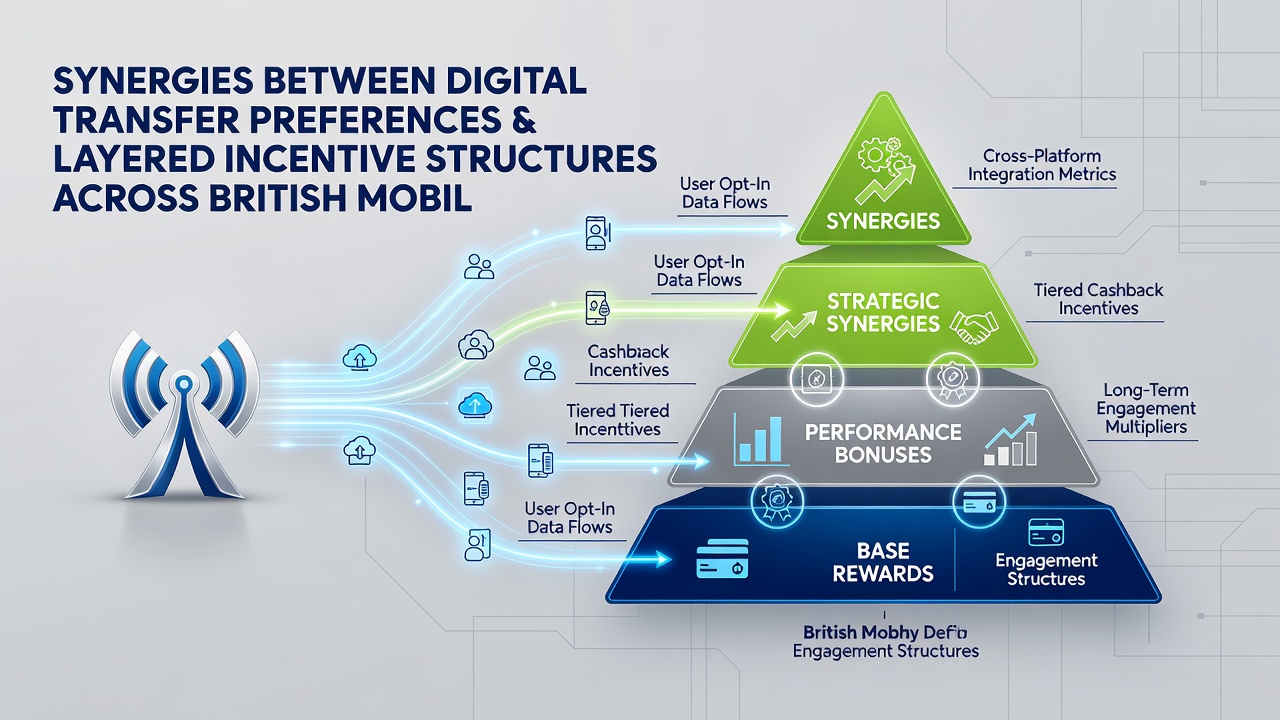
Platform operators have implemented systems where specific digital transfer choices directly influence the depth of available incentives, creating measurable synergies that researchers track through aggregated user metrics. For instance, users completing transfers via instant e-wallet links frequently receive immediate eligibility for the next reward layer, whereas alternative methods may require additional confirmation periods before similar access activates. Figures from industry reports highlight that these integrations produce higher retention rates when payment and incentive systems share data pathways without manual intervention.
What's interesting here is how British mobile sites have refined these connections since early 2026, with several operators expanding their digital transfer partnerships to include regional variations that accommodate player location data while maintaining uniform incentive scaling rules. Observers note that such refinements reduce friction points, allowing layered structures to respond dynamically to transfer preferences and sustain engagement across different session lengths.
Technical Integrations Driving Alignment
Developers achieve these synergies through backend connections that link payment gateways with customer relationship management tools, enabling automatic assignment of incentive tiers based on transfer metadata such as speed, amount, and frequency. According to analyses conducted by independent research groups, platforms employing these integrations report improved accuracy in reward distribution, which in turn supports compliance with broader industry standards set by bodies like the New Jersey Division of Gaming Enforcement.
Additional evidence emerges from cross-border comparisons, where similar payment-incentive alignments appear in markets monitored by the Australian Gambling Research Centre, suggesting the model translates effectively to mobile-first environments regardless of regional regulatory differences. In the British context, these technical setups have supported continued expansion of mobile participation, with June 2026 marking notable increases in users advancing through multiple incentive layers via streamlined digital transfers.
Conclusion
The documented interactions between digital transfer preferences and layered incentive structures across British mobile gaming platforms reflect ongoing technical and operational developments that tie payment efficiency to reward accessibility. Data collected through mid-2026 underscores how these alignments function within existing frameworks, providing structured pathways that respond to user choices while maintaining consistent operational standards across participating sites.