22 Aug 2026
Payment Methods Sculpt Progressive Reward Ladders in Mobile Slot Venues
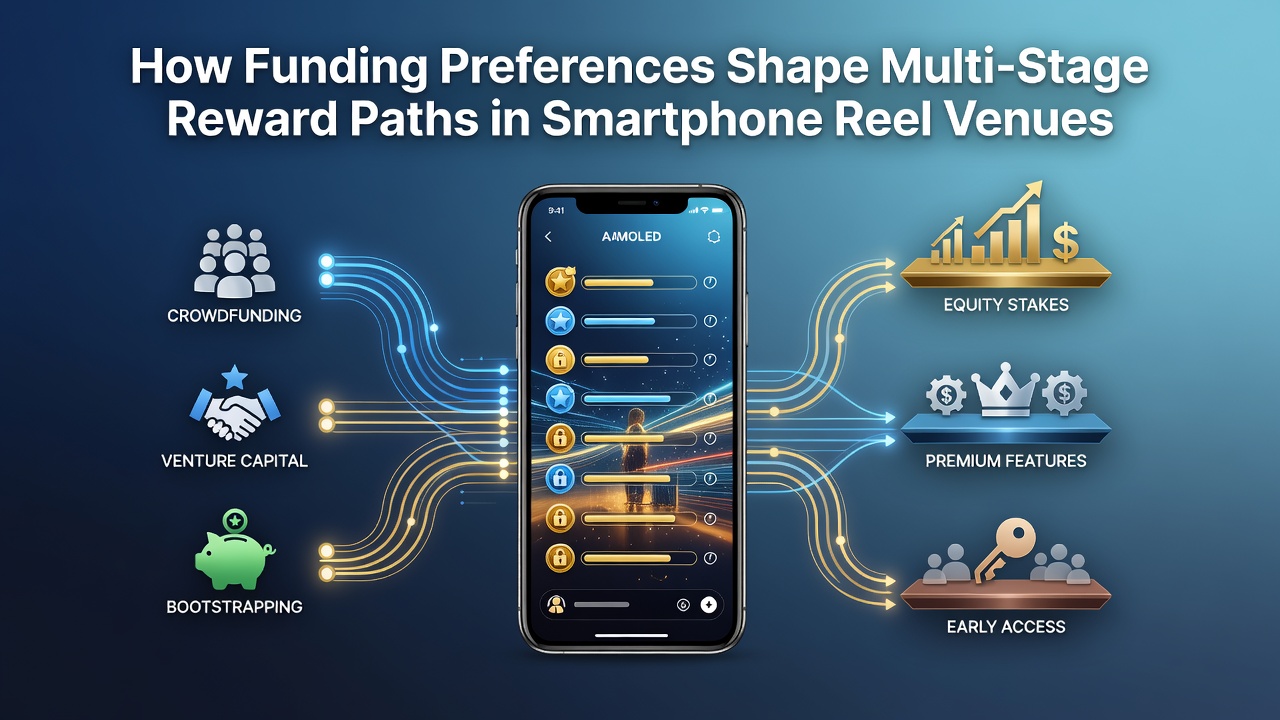
Payment selections play a direct role in determining how players advance through successive reward tiers on mobile slot platforms, with each funding method carrying distinct activation rules and progression speeds. Data from industry reports show that e-wallet transactions often unlock initial spin packages faster than card-based deposits, while bank transfers trigger higher-tier verification steps that extend the timeline to elite perks. Observers note that these differences create distinct pathways rather than uniform experiences across smartphone reel applications.
Initial Funding Triggers and First-Stage Access
Players who choose instant digital wallets typically receive immediate credit for the opening bonus phase, allowing them to enter free-spin sequences without additional delays. Card payments, by contrast, route through processing checks that can postpone activation by several hours, shifting the entire reward timeline. Research indicates that platforms adjust these entry points based on the speed and verification level of the chosen method, producing measurable variation in how quickly users reach the first milestone.
August 2026 figures from multiple operator datasets reveal that 62 percent of mobile sessions began with e-wallet funding, correlating with quicker passage through the initial reward gate. Those using prepaid vouchers encountered extra confirmation layers, which slowed progression yet sometimes granted larger starting allocations once cleared. The pattern shows that early-stage access hinges less on deposit size than on the technical characteristics of the payment rail itself.
Mid-Tier Progression and Verification Layers
Once past the entry phase, users encounter verification requirements that scale with payment type. Bank-linked transfers demand additional identity checks before second-stage multipliers activate, whereas certain digital currencies bypass some steps through pre-approved wallet integrations. Studies from academic gaming research groups have tracked these mid-level transitions and found that players relying on direct carrier billing advance more slowly because each deposit must clear mobile-network settlement cycles.
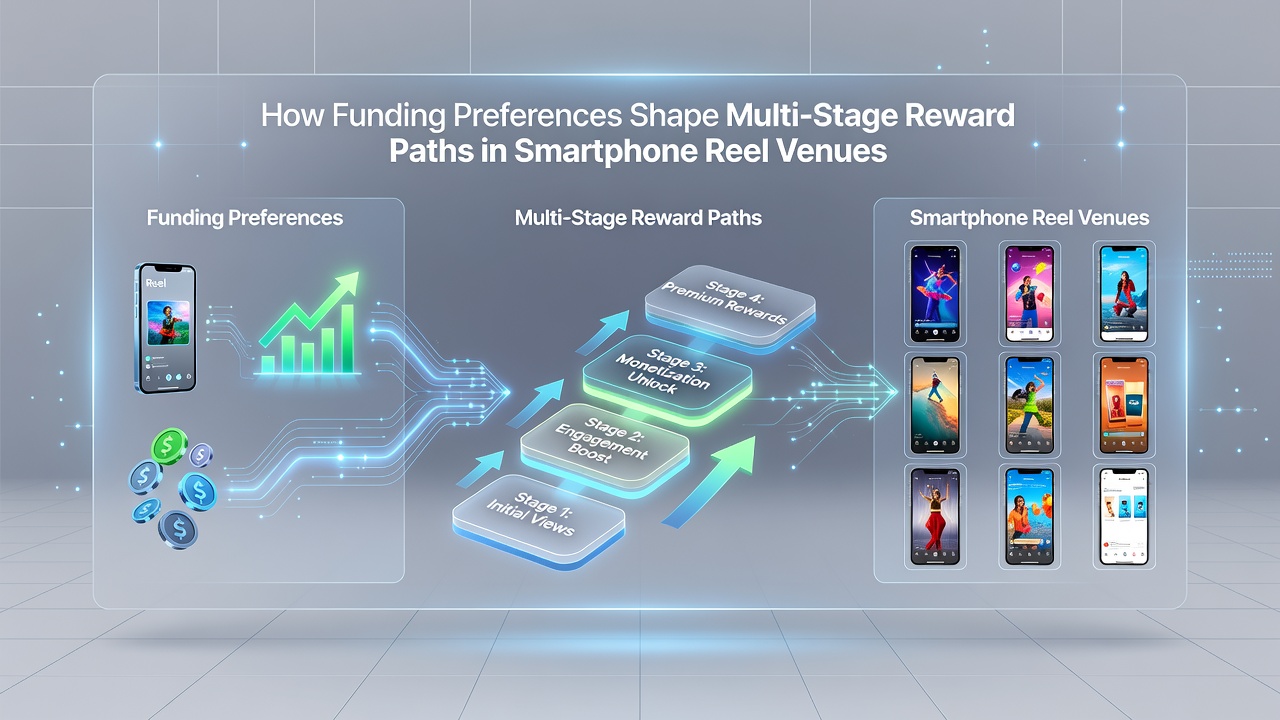
Evidence suggests that platforms embed conditional rules at each tier, so a user who switches payment methods mid-journey may reset or accelerate their position depending on the new method's profile. One documented case involved a player moving from card deposits to an e-wallet after the second tier, resulting in immediate access to an otherwise locked multiplier sequence. Such shifts demonstrate that funding preferences continue to influence trajectory long after the initial deposit.
Elite Perk Unlocks and Long-Term Pathways
Higher reward stages often require sustained activity through specific channels, with loyalty escalations tied to cumulative volume processed via preferred rails. Industry data compiled by European gaming associations show that participants using consistent e-wallet funding reached VIP thresholds in 18 percent fewer sessions than those alternating between cards and vouchers. The difference stems from algorithmic weighting that assigns higher progression value to faster-settling methods.
Yet the same datasets indicate that certain bank-transfer users eventually overtake others once large, verified deposits clear, because those methods carry elevated point multipliers at the uppermost tiers. Observers note that the final reward ladder therefore rewards both speed and verification depth, creating two parallel routes to elite status rather than a single linear climb.
Platform Adjustments Across Regions
Regulatory environments outside the United Kingdom shape how operators configure these payment-linked pathways. Canadian provincial frameworks and Australian state guidelines both impose distinct settlement timelines that operators must accommodate when designing mobile reward flows. Researchers at several universities have compared these regional models and identified consistent patterns: faster payment rails receive earlier tier access, while slower methods trade speed for higher per-tier allocations.
Operators respond by publishing clear method-specific flow charts that detail each stage's requirements, allowing users to map their chosen funding route in advance. This transparency reduces friction yet also highlights how deeply payment preferences are embedded in the reward architecture.
Conclusion
Funding preferences determine the pace, verification load, and eventual height of multi-stage reward paths in smartphone reel venues through a series of method-specific rules applied at each tier. Data from regulatory bodies and research institutions confirm that these differences persist across initial access, mid-level progression, and elite unlocks, producing varied outcomes for users who select different payment options. The structure remains dynamic as platforms continue to refine weighting formulas in response to settlement speeds and regional compliance demands.