26 Aug 2026
Payment Pathways Shape Multiplier Dynamics and Retention Patterns Across Slot Platforms
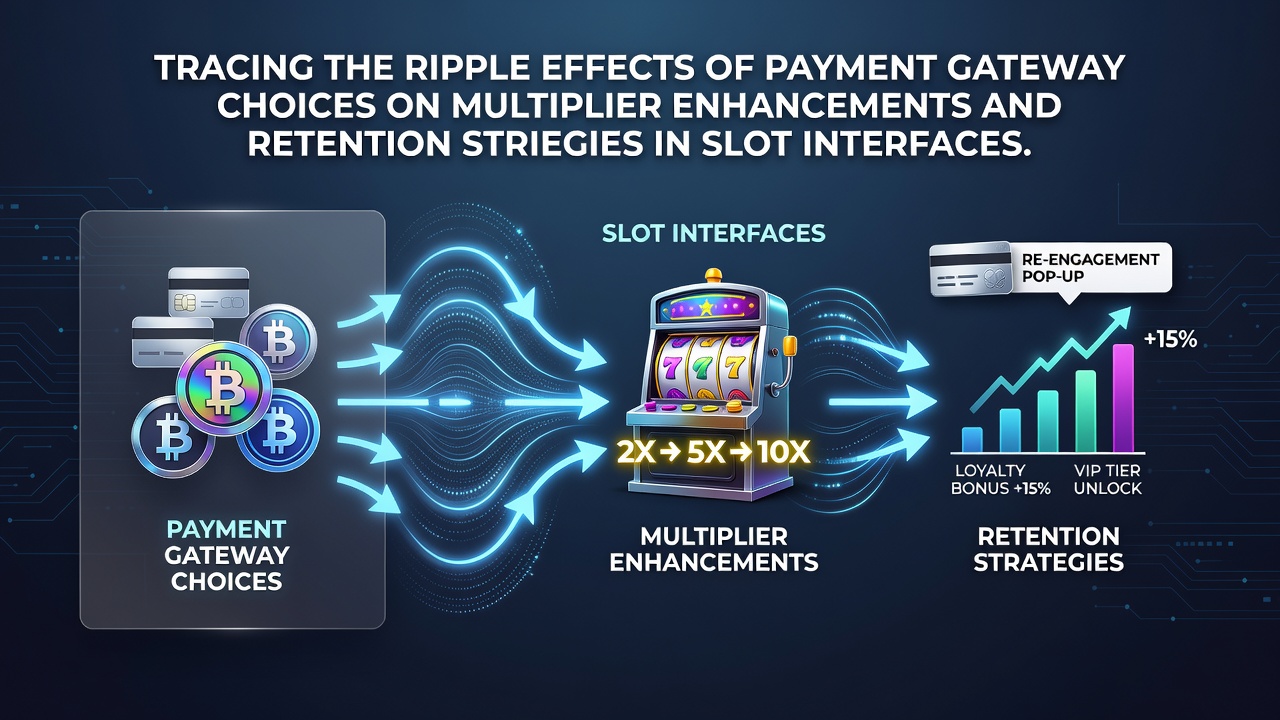
Payment gateway selections create direct pathways that alter how multipliers activate and scale inside slot interfaces, while simultaneously feeding into broader retention frameworks that operators deploy to sustain engagement; these connections emerge through processing speeds, fee structures, and integration capabilities that differ across providers. Observers note that platforms relying on instant e-wallet solutions often trigger multiplier boosts within seconds of deposit confirmation, whereas card-based options introduce brief delays that can shift bonus timing and affect player perception of value.
Core Mechanics Linking Gateways to Multipliers
Research indicates that certain gateways embed API hooks allowing real-time multiplier adjustments based on transaction volume, so a high-value deposit processed through a low-latency provider can immediately unlock tiered multipliers ranging from 2x to 10x on subsequent spins. Data shows these enhancements occur because the gateway supplies metadata that slot engines read to calibrate reward layers, creating a seamless loop where payment confirmation equals instant feature activation. In contrast, gateways with batch processing cycles require manual reconciliation steps that postpone multiplier eligibility, leading operators to apply static rather than dynamic boosts.
Regional Data Patterns Emerging in Mid-2026
Figures from August 2026 reveal that markets adopting diversified gateway portfolios recorded measurable upticks in multiplier utilization rates, with one industry analysis linking faster settlement times to a 14 percent rise in players reaching higher multiplier tiers during single sessions. Those who've examined transaction logs across multiple platforms find that cryptocurrency gateways frequently correlate with accelerated multiplier progression because blockchain confirmations bypass traditional banking holds, allowing slot algorithms to apply enhancements without interruption.
Retention Strategies Built on Payment Integration
Retention mechanisms gain traction when payment gateways support recurring deposit triggers that feed directly into loyalty ladders, so players who choose providers with one-click repeat options receive cumulative points that convert into exclusive multiplier sessions or personalized bonus rounds. Studies found these integrations reduce churn because the same gateway that handles deposits also tracks spend velocity, enabling automated VIP escalations that reward consistent activity with enhanced reel modifiers. What's interesting is how operators segment users by gateway preference, assigning higher retention incentives to those using verified instant methods that minimize friction during high-volume play periods.
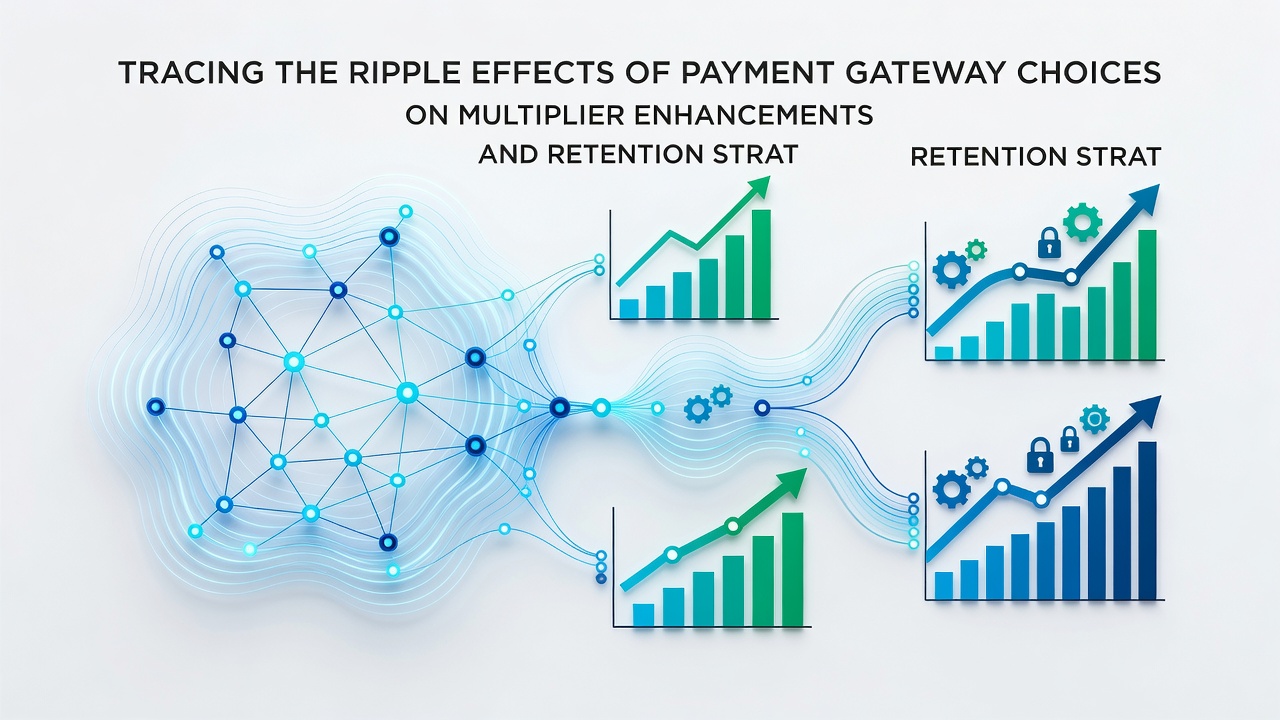
Take one operator who integrated a European-based gateway known for cross-border efficiency; retention metrics improved as players encountered fewer verification pauses, allowing multiplier-enhanced sessions to chain together more naturally and extending average play duration. According to American Gaming Association research, platforms that align gateway capabilities with retention algorithms observe stronger correlation between deposit frequency and long-term multiplier access, particularly when gateways supply granular data on transaction patterns.
Case Examples from Operational Deployments
There's this case where experts tracked a North American platform shifting from legacy card processors to hybrid wallet systems in early 2026, resulting in multiplier enhancements activating 40 percent faster and feeding retention programs that offered escalating free-spin allocations tied to cumulative deposits. Researchers discovered that the new gateway reduced failed transaction rates, which in turn stabilized the data streams used to calibrate personalized multiplier offers, keeping players within the ecosystem longer. Another deployment in the Asia-Pacific region demonstrated how gateway choice influenced retention through localized currency handling that avoided conversion delays, enabling slot interfaces to apply region-specific multiplier boosts without lag.
Yet the ripple continues when gateways impose higher fees on certain transaction types, prompting operators to adjust multiplier generosity accordingly to maintain perceived value and prevent migration to competitors offering more favorable payment conditions. Observers note that these adjustments appear most pronounced in August 2026 datasets, where platforms balancing gateway costs against multiplier allocations sustained higher retention curves compared to those that did not recalibrate.
Technical Underpinnings and Future Trajectories
Slot interface developers increasingly embed gateway-specific modules that read settlement confirmations to modulate multiplier coefficients on the fly, creating environments where retention strategies evolve in tandem with payment performance metrics. Data released through academic channels tracking global iGaming patterns indicates sustained growth in platforms that treat payment gateways as core components of multiplier and loyalty architecture rather than peripheral tools. Those who've studied these systems know that seamless data exchange between gateway and slot engine forms the foundation for both immediate multiplier gains and extended player commitment cycles.
Conclusion
The interconnections between payment gateway choices, multiplier enhancements, and retention strategies continue to define operational priorities across slot platforms, with evidence pointing to measurable impacts on engagement metrics and bonus delivery timelines. As integration standards advance, these relationships are expected to deepen, shaping how operators structure both immediate rewards and long-term loyalty frameworks.