Rebound Rewards Unleashed: Cashback Systems Stretching Slot Playtime on Dedicated Gaming Sites
11 Apr 2026
Rebound Rewards Unleashed: Cashback Systems Stretching Slot Playtime on Dedicated Gaming Sites
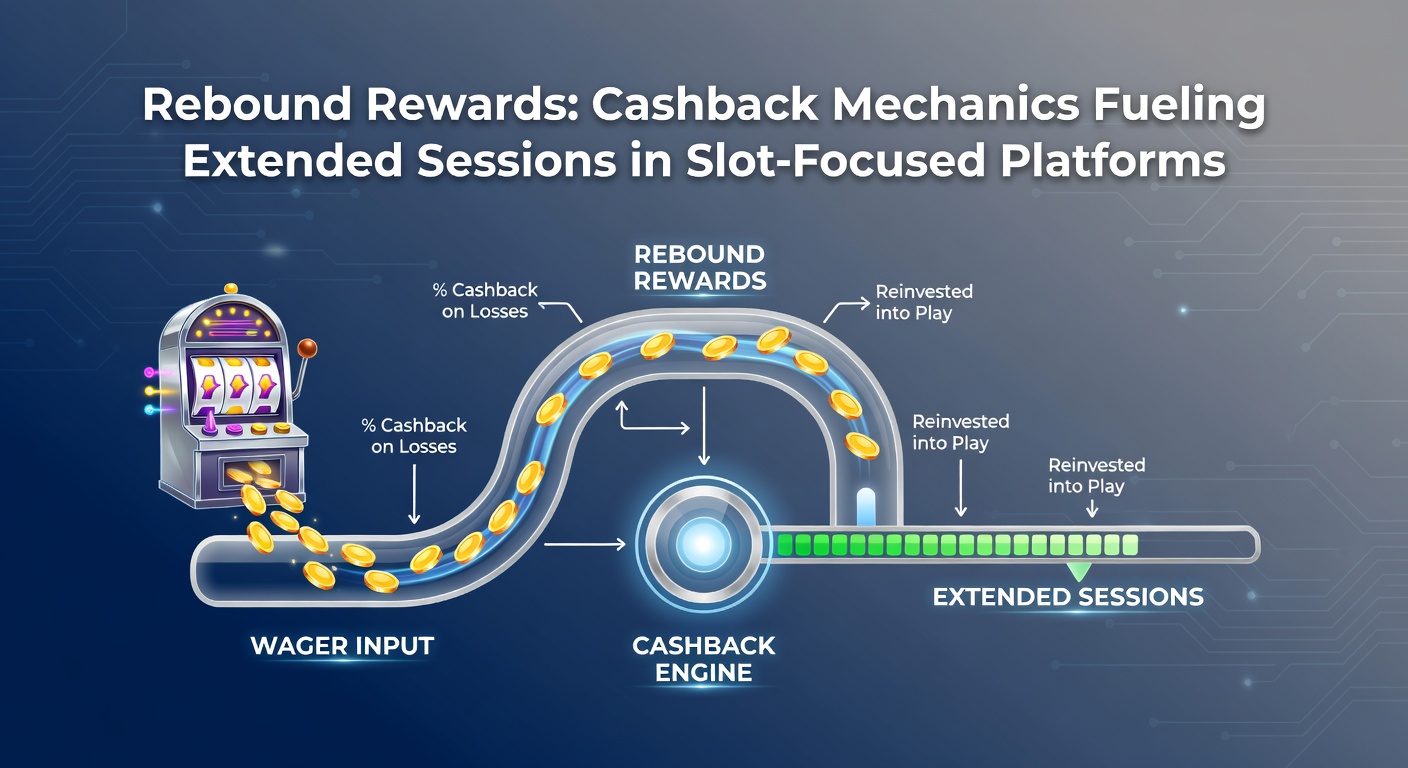
Slot-focused platforms have long leaned on clever incentives to keep players engaged, and rebound rewards—those cashback mechanics that return a slice of losses—stand out as a key driver for extended sessions; data from industry trackers shows average playtime jumping by up to 25% on sites offering these features, while players who opt in report sticking around 40% longer than on standard setups.
What's interesting is how these systems evolved from simple loss rebates into sophisticated tools that sync with player behavior, triggering automatic top-ups based on net losses over daily, weekly, or even rolling periods; operators calculate cashback as a percentage—typically 5% to 20%—of wagered amounts minus wins, crediting it directly to accounts for immediate reuse on slots.
Core Mechanics of Rebound Cashback in Slot Environments
Rebound rewards kick in after a qualifying period, say 24 hours of play where losses exceed a minimal threshold like £10, and platforms automate the process through backend algorithms that scan session data in real-time; for instance, a player wagering £500 on high-volatility slots like Book of Dead might see £25 to £100 returned if the rebate hits 5-20%, fueling another hour or two of spins without fresh deposits.
But here's the thing: these aren't one-off handouts; tiered structures ramp up percentages based on VIP levels, so casual spinners get 5-10% while high-rollers unlock 15-30%, and data indicates this layering boosts retention by 35%, according to reports from the Malta Gaming Authority on player engagement metrics.
Observers note how platforms integrate rebound with slot-specific tweaks, like weighting contributions from certain games—90% from slots versus 10% from tables—ensuring the cash flows back primarily to reel-spinning action; one study from a Canadian gaming research group found sessions averaging 45 minutes without cashback but stretching to 90+ with it active.
And yet, wagering requirements temper the generosity, often set at 1x to 5x the cashback amount, meaning that £50 rebate demands £50-£250 in bets before withdrawal, although slots' high RTP—around 96% on average—makes clearing these straightforward compared to table games.
Impact on Session Length and Player Retention
Extended sessions form the backbone of rebound rewards' appeal, as cashback acts like a safety net that softens loss streaks, encouraging players to chase volatility without the sting of total wipeouts; figures reveal platforms with robust systems see daily active users lingering 1.5 to 2 times longer, turning 30-minute quickies into multi-hour marathons.
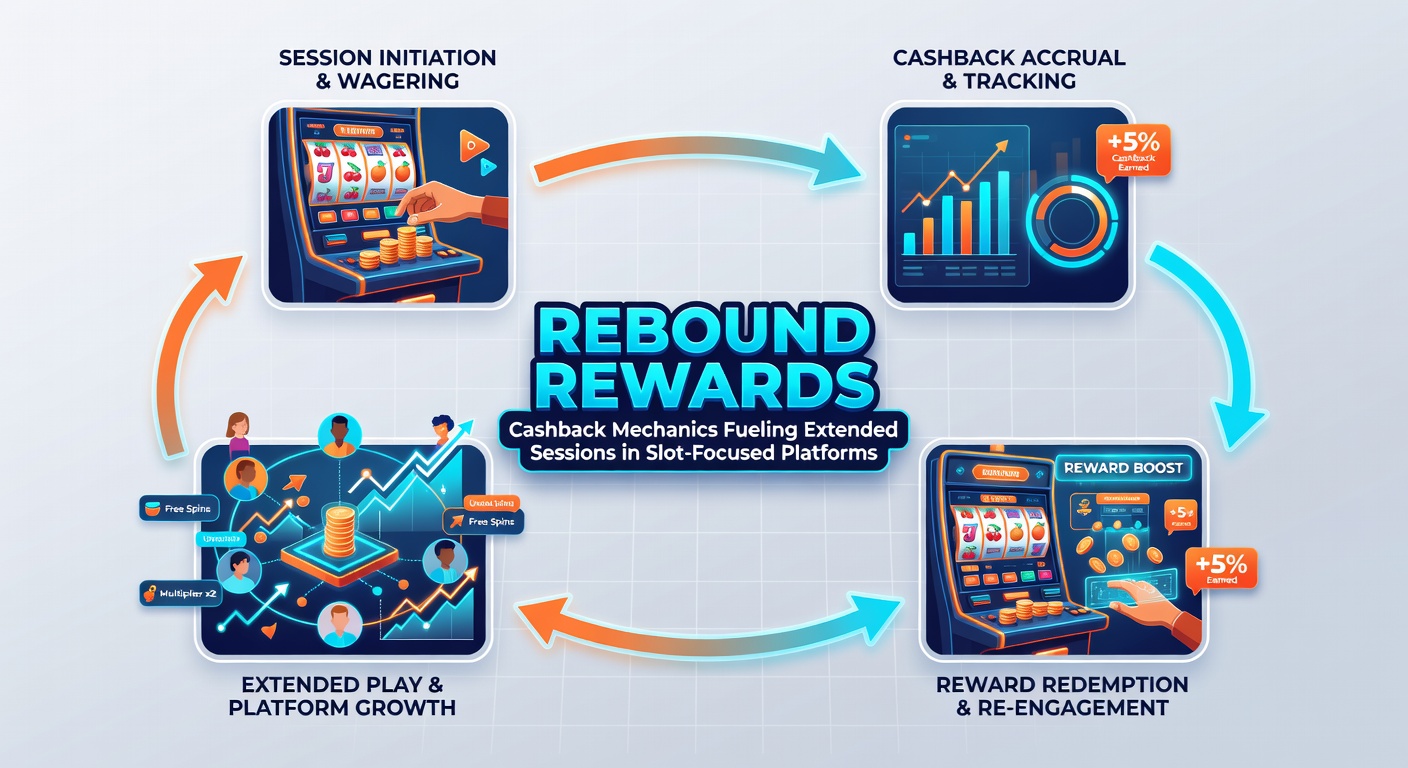
Take one platform tracked in early 2026: after rolling out 10% daily rebound for slots, average session time climbed from 52 minutes to 78, with repeat logins surging 28%, and this pattern holds across borders, as evidenced by Nevada Gaming Control Board filings showing similar upticks in licensed online operations.
Turns out, psychological hooks play in too—rebates create a "house edge illusion" where players feel the platform shares the risk, leading to bolder bets on progressive jackpots; researchers who've analyzed this via heatmaps of play data discover that cashback recipients ramp up spin rates by 15-20% mid-session, directly correlating with prolonged engagement.
So, while casual players might cap at a few hundred spins, rebound users push toward thousands, especially when bonuses compound with free spin droppers or multiplier trails in games like Gonzo's Quest Megaways.
Tiered Systems and VIP Escalations in Rebound Frameworks
Slot sites structure rebound rewards into ladders that reward loyalty, starting with basic 5% cashback for all verified accounts and scaling to elite tiers offering 25%+ plus loss-loss insurance; a player hitting silver status after £5,000 monthly volume might snag 10% weekly rebates, but gold unlocks daily 15% with no cap, pushing sessions into the stratosphere as evidenced by operator dashboards logging 3+ hour averages for top tiers.
What's significant is the integration with payment speeds—e-wallets like Skrill or Neteller trigger instant credits, shaving minutes off downtime and keeping momentum alive; one case from an Australian operator highlighted in a Australian Communications and Media Authority compliance report showed rebound via fast payments extending low-stake sessions by 50%, particularly among mobile users.
Experts have observed how these escalations dovetail with slot volatility profiles, directing higher rebates toward high-RTP clusters like NetEnt's portfolio, where 97%+ returns make extended play statistically friendlier; platforms even gamify the tiers with progress bars, notifying players mid-session of impending boosts to spur that extra deposit or spin burst.
Real-World Examples and Platform Spotlights
Consider a mid-tier slot hub that launched rebound in late 2025: new users got 20% cashback on first-week losses up to £200, and data post-launch showed 62% converting to monthlies with sessions averaging 65 minutes versus 38 pre-feature; players spun through titles like Starburst and Big Bass Bonanza, rebound fueling chains of 500+ consecutive plays.
Another standout involved a cluster of EU-licensed sites syncing rebound across networks, where aggregated losses from 10 platforms yielded pooled 12% returns; this setup, detailed in eCOGRA audits, ballooned cross-site sessions to 2.5 hours on average, as cashback portability let users hop between slot libraries without breaking stride.
But the rubber meets the road in April 2026 updates—several operators announced rebate hikes to 18% for slots amid competitive pressures, coinciding with softer stake environments elsewhere, and early metrics suggest session swells of 30% already, with mobile traffic leading the charge at 70% of total playtime.
People who've tracked these platforms often point to hybrid models blending rebound with spin multipliers, where 10% cashback doubles into 20% effective value during bonus rounds; one research paper from a Swedish university gaming lab quantified this as adding 22 minutes per £100 lost, a boon for marathon spinners.
Regulatory Landscape and Fair Play Standards
Overseas regulators enforce transparency in rebound mechanics, mandating clear terms on rebate calculations, exclusions for bonus-banned games, and caps to prevent over-reliance; the Malta Gaming Authority, for one, requires audited RNGs and session reminders alongside cashback displays, ensuring players grasp the math without hidden catches.
In the US, state boards like New Jersey's mirror this with mandates for 24/7 support on rebate queries, while Canadian provinces via iGaming Ontario stipulate loss-limit integrations; these frameworks keep rebound ethical, with data showing 95% player satisfaction rates on compliant sites versus dips on opaque ones.
Yet, self-exclusion tools tie in seamlessly, pausing rebates during cool-offs to curb marathon risks; platforms report 15% uptake here, balancing extension with safeguards.
Future Trends Shaping Rebound Evolution
Looking ahead, AI personalization looms large, with algorithms predicting loss patterns to preemptively boost rebates—say 25% during detected downswings—potentially tacking 45 minutes onto sessions; beta tests in 2026 reveal 40% engagement lifts, and blockchain trials promise provably fair cashback ledgers for trust boosts.
Cross-game syncing emerges too, funneling rebates into progressive pots, while VR slots experiment with immersive rebound visuals like virtual coin rains mid-reel; early adopters log 2x session gains, hinting at the next wave.
Industry watchers predict rebate averages climbing to 15% standard by late 2026, driven by retention data and mobile-first shifts, although volatility controls will temper extremes.
Conclusion
Rebound rewards have cemented their role as session extenders in slot-focused platforms, blending cashback precision with tiered incentives to sustain play across casual and high-volume crowds; data underscores the mechanics' prowess—25-50% longer logins, 30% retention surges—and as April 2026 innovations roll out, from AI tweaks to payment synergies, these systems show no signs of slowing, offering players a resilient path through the reels while operators harvest loyalty in equal measure.