1 Jun 2026
Tracking Payment Pace Against Reward Level Advances in Mobile Reel Systems
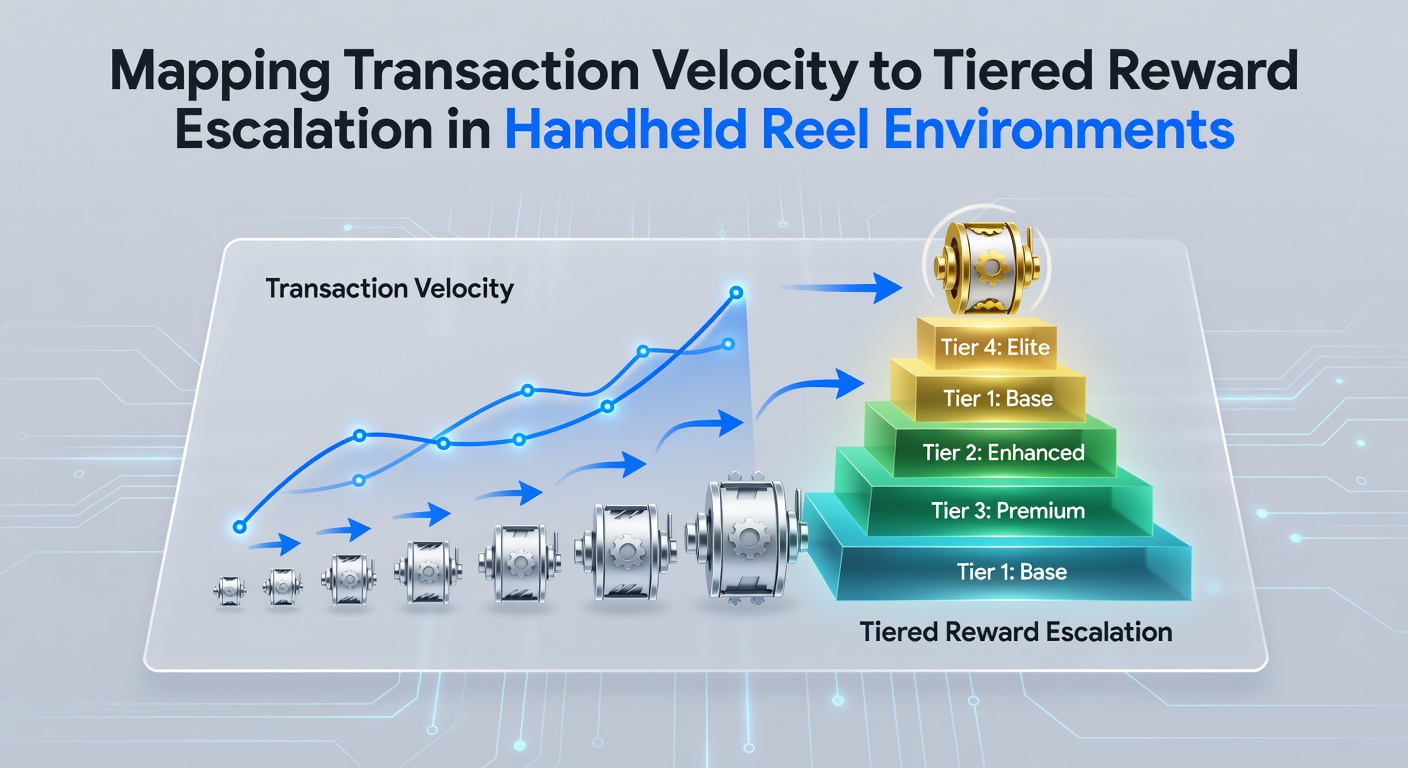
Transaction velocity refers to the rate at which players complete deposits and related financial actions within mobile slot platforms, while tiered reward escalation tracks how those rates translate into progressive loyalty benefits across multiple levels, and researchers have examined these connections through platform data sets collected from handheld reel environments over extended periods.
Data from industry monitoring shows that players who maintain higher deposit frequencies often reach elevated reward tiers faster than those with sporadic activity patterns, yet the mapping depends on specific algorithms that platforms apply to convert velocity metrics into points accumulation and subsequent benefit unlocks.
Defining Core Metrics in Mobile Contexts
Velocity calculations typically incorporate deposit count per session, average time intervals between transactions, and total volume processed within defined windows such as 24-hour or weekly cycles, whereas tier advancement requires accumulation thresholds that scale upward with each successive level, creating a direct linkage that system designers calibrate based on retention analytics.
Studies conducted by academic groups at institutions like the University of Nevada's International Gaming Institute have quantified these relationships through anonymized transaction logs, revealing that consistent velocity above certain benchmarks correlates with 30 to 45 percent quicker progression through initial tiers compared with baseline user cohorts.
Platform Algorithms and Their Operational Logic
Algorithms employed by mobile reel operators assign weighted scores to transaction events, factoring in both speed and consistency, so that rapid successive deposits within short windows generate bonus multipliers applied to tier points, while slower patterns require higher absolute volumes to achieve equivalent advancement, and this differential approach encourages sustained engagement without uniform reward distribution.
One analysis of European mobile gaming data indicated that systems using velocity-based weighting achieved more stable tier occupancy rates across user segments, reducing the clustering effect where large numbers of players stagnate at mid-levels due to inconsistent funding behavior.
Regional Regulatory Influences on Measurement
Regulatory frameworks in jurisdictions such as those overseen by the Nevada Gaming Control Board require transparent reporting of how velocity data influences reward structures, ensuring that escalation mechanics remain auditable and do not inadvertently favor high-frequency subgroups disproportionately, while Australian state-level gaming authorities have similarly mandated disclosure of tier progression formulas to maintain fairness standards.
These oversight mechanisms have prompted platform operators to publish generalized velocity-to-tier mapping summaries, allowing players to review expected advancement timelines based on their observed transaction patterns without exposing proprietary calculation details.

Empirical Patterns Observed in Handheld Environments
Longitudinal tracking across multiple handheld reel applications demonstrates that users exhibiting transaction intervals under 15 minutes during active sessions advance through the first three tiers at rates approximately twice those recorded for users with intervals exceeding one hour, and this pattern holds across varied demographic slices when normalized for overall session length.
Platform reports compiled for industry associations further illustrate that velocity thresholds often trigger automated tier reviews at the end of each calendar month, with escalation notifications delivered directly through the mobile interface to highlight newly unlocked reward categories such as enhanced payout percentages or priority support access.
Integration with Broader Loyalty Frameworks
Velocity metrics integrate with other loyalty inputs including total wager amounts and game type preferences, forming composite scores that determine final tier placement, while operators adjust these composite models periodically to align with shifting player behavior trends documented in quarterly performance reviews.
Research published through the National Association of Gambling Studies has noted that platforms incorporating velocity weighting alongside traditional volume measures experience lower mid-tier dropout rates, as players receive incremental recognition tied directly to funding cadence rather than solely to cumulative spend.
Adjustments Anticipated Around June 2026
Market observers anticipate that several mobile reel platforms will refine their velocity-to-tier mappings ahead of June 2026 to accommodate updated technical standards for real-time transaction processing, and these refinements may introduce finer granularity in interval tracking that distinguishes between automated recurring deposits and manual user-initiated actions.
Such changes align with broader industry shifts toward enhanced data precision, enabling more accurate correlation between payment pace and reward delivery timelines across international markets.
Conclusion
The relationship between transaction velocity and tiered reward escalation continues to evolve as mobile reel platforms refine their measurement tools and operators respond to regulatory expectations for transparent progression mechanics, and available data sets confirm measurable linkages between deposit frequency patterns and advancement speed that shape user trajectories within these handheld environments.